

Seasonal Landscaping Tips for Spring, Summer, Fall & Winter Lawn Care Maintenance in Salt Lake City, UT

Your lawn and other plants require different maintenance and care throughout the year. When taking on the care and maintenance yourself, it could be confusing what to do what and when. But if you want to maintain the lawn, trees, and shrubs’ health and beauty, they need routine care all year long. With that in mind, we at Rentokil would like to share some brief tips and suggestions to keep your landscaping beautiful throughout all the seasons.

Spring Lawn Care Schedule: March-May

Early in the season mulch the beds if they were not mulched in the winter. Apply a light application of 10-10-10 over the beds of perennials. Sharpen the blades of your lawnmower and set the lawnmower to 3 – 3 1/2 inches. Avoid cutting more than 1/3rd of growth at any one time and get the lawn cut once a week. Most spring-flowering shrubs can be cut back and fertilized just after flowering. Deadhead perennials after they flower to extend the bloom time in most species. In early March administer a pre-emergent to lawns to prevent crabgrass invasions. Spray the broadleaf weeds with the appropriate weed killer as they appear on the lawn.

Summer Lawn Care Calendar: June-August

By the summer make sure the spring-flowering shrubs pruning and fertilizer are completed after blooming. Apply the second round of pre-emergent in early June. With the appropriate weed killer, continue spraying the broadleaf weeds as they grow in the lawn. Administer a second application of 10-10-10 over the perennials and deadhead when needed through mid-summer. Periodically check your plants, grass, and trees for pest infestations and spray if they occur. To avoid flowering and setting in more seeds, remove the weeds from the beds as they appear. Water your vegetation deeply and consistently throughout the summer.

Fall Lawn Care: Month By Month from September-December

From late August to early October aerate and seed the lawn at any time and fertilize the lawn from September to November. Continue to water throughout the fall, especially the evergreens and newly planted trees and shrubs just until the weather is cool enough to produce the frost. Cut back the perennials and clean out the gardens. In September, prune the trees and shrubs that are optimally done in the fall. Pruning promotes stimulated new growth which could be killed off in the frost otherwise. Don’t prune heavily after September or it could leave plants weak and vulnerable during the harsh winter months. The spring-flowering bulbs should be planted in November to early December. Keep the leaves raked up weekly, especially on newly seeded lawns.

Winter Lawn Care to Protect Grass: January-February

Using an upward motion on the branches gently brush the snow with a broom from shrubs and trees with a broom as often as possible. This will help prevent the limbs from breaking under the weight of the snow. Continue raking up stray leaves from off the lawn. With the bulbs and perennials being dormant and bed clean, now is the time to mulch. Mulch helps keep the soil from drying out and gives the plants more protection especially from heaving out of the ground due to freezing and thawing. Evergreens, such as Hollies and boxwoods should be pruned and fertilized. In February, thin out the crape myrtles.

Lawn & Yard Care

To make the care for your lawn, trees, and shrubs easy and convenient, let Rentokil provide our expert weed management, insect and disease treatments, lawn fertilization and aeration to ensure you have a healthy, green lawn this spring. Contact us to schedule a consultation today!
How to Get Rid of European Wasps in Park City, UT & Stop Stinging Insects from Coming Back

Wasps can be mean when they are disturbed, and anyone who has ever been stung knows that first hand. Rentokil will present some helpful information regarding European Wasps to hopefully spare you from their painful stings.

European Wasp Identification

European wasps were first discovered here in Utah in 1999-2000. It is believed that they traveled to Salt Lake in a shipping container or package from somewhere in Europe. Also known by the formal name Polistes Dominula, the European wasp is native to Europe and China. They are excellent invaders and are known to be quick breeders with a high reproduction rate. They independently invaded North and South America and are now known to be found all over Utah. The Polistes Wasp closely resembles a yellow jacket and are often mistaken for them.

What Attracts European Wasps?

In farm settings wasps become a nuisance rather quickly because they are attracted to the smell of sweet fruit and various meats. Fermenting fruit is a favorite for them. It has been noted that various raspberry farmers have had a hard time harvesting their fruit because these pests can cause a considerable amount of damage to their fruit crops and make picking difficult. Picnics are another ideal scenario for European wasps to attend because of the open packages of food that left out that make an easy meal for them.

European Wasp Nests

This species of wasp builds open nests above ground and prefers spaces such as open pipes, storage sheds, resting machinery that isn’t moved too often, under decks, bushes, shrubs, and doorways, etc. If their nest is disturbed you can bet they will start to attack, so if you find one you should steer clear and call in a professional like Rentokil.

Multiple Wasp Stings

Unlike bees, wasps can sting their victims multiple times. They attack in great numbers and can cause some real damage. There is only limited information available to us currently regarding the European Wasp as it is still a new invasive species here. In the event a nest is found, a beekeepers uniform and commercial grade traps and insecticides should be used by a professional to remove the nest safely and effectively. It is not recommended that you attempt to remove a wasp’s nest on your own because of the risks that are involved.

Stinging Insect Control & Removal

Rentokil are here to serve all your pest control needs. We have the experience necessary to eliminate all types of pests from your home or property safely and effectively. We have the tools and expertise needed to get the job done. Give us a call today.

How to Get Rid of Infestations of Odorous House Ants in Your Ogden, UT House & Yard

Homes and businesses are commonly being invaded by pests, and ants top the list. They are generally found raiding kitchens where they enjoy pilfering spilled crumbs. When seeing the line of marching ants, people grab the most convenient chemical and drown them in the spray; thinking the problem is resolved as the corpses are dealt with but within a few hours another round of ants are marching through. Not only is their presence a nuisance to most, the stings they can deliver to protect the nest and queen can be obnoxiously uncomfortable and sometimes even painful depending on the species. Among the many ant species, odorous ants are fairly common in Utah which is why we at Rentokil would like to take the opportunity to share the basics.

Odorous Ant Identification

A native species found across the United States, odorous ants, or their scientific name Tapinoma Sessile, are rightfully named because when they are crushed, a foul stench, much like a rotten coconut smell, is produced. Despite only having one node, odorous ants are often mistaken for pavement ants. The workers average up to 1/8 inches in length, have 12-segmented antennae, and range from brown to black in color. Odorous ant colonies contain anywhere from 100 to 10,000 members and once hatched, it only takes 24 days for an ant to reach adulthood. Odorous ants are frequently invaded by other ant species, causing them to be driven away from their nests.

Odorous House Ant Infestation

Odorous ants work around the clock, foraging for food both day and night. They will construct their nests in a number of varying locations. If they infest homes, odorous ants prefer places around hot water pipes and heaters, but will also be found establishing their nests in sinks, cupboards, crevices, and wall voids. Outside, odorous ants will build their nests in exposed shallow soil under bricks, stone walk, boards, and other related objects. More often than not, odorous ants will infiltrate buildings in search of sweet edibles once their honeydew supply or other sweet supply of food is nearly depleted by natural occurrences such as rainy weather or leaf fall.

Diet of Odorous Ants

Not only do they favor sweets, but odorous ants are omnivorous, feeding on nearly anything in addition to honeydew such as seeds, plant secretions, and a variety of insects. Being extremely fond of honeydew, these ants will protect the honeydew-excreting insects such as aphids, mealybugs, and other scale insects, even to great lengths as stashing them in the nest.

Ant Control

Odorous ants will leave behind a chemical trail of pheromones between their nests and potential food sources, like most ants for the workers can get back and forth with ease. This trait is often used to the professional’s advantage. Treating the odorous ants’ trail is an effective method frequently used. Odorous ants can present a challenge to get rid of, but with Rentokil technicians applying our expertise, removal is ensured. If you have odorous ants or other pests infesting your home or business, call Rentokil today!

How to Tick Proof Your Yard & Avoid Tick-Borne Diseases such as Rocky Mountain Spotted Fever in Hyrum, UT

Ticks aren’t just a summertime problem for pets anymore. It seems they’ve become a year-round problem, even in times of cooler weather. Ticks are parasitic arthropods that feed on the blood of their hosts. They are attracted to motion and warmth, making mammals a great host. Ticks typically hide out in tall grass and plants in wooded areas where they wait for a host to walk by. When they find a host, they will latch on with their mouthparts into the skin and start to feed. The tick will stay latched on until its meal is done. Ticks can feed for several hours to days.

Tick-Borne Diseases in Humans

Not all ticks carry disease, but the threat of disease is always present when ticks are involved. These risks should be taken seriously. Fortunately in Utah, there are very few confirmed cases of Lyme disease as ticks in the Rocky Mountain Region have not been found to carry it. However, our Western ticks can carry other harmful diseases, such as Colorado Tick Fever and Rocky Mountain Spotted Fever. Tick-borne diseases can take several hours to transmit to a host, making early detection crucial. The risk of disease is lowered with early tick removal. Symptoms of tick-borne diseases usually include fever and lethargy. Some can cause lameness, weakness, joint swelling and/or anemia. These signs can take days, weeks or even months to appear.

How to Tell if Your Dog Has a Tick

Finding a tick on your pet can make your stomach turn. It will lead to worry and concern as to the danger it poses to your pet and your family. Finding a tick on your pet means they can make their way into our home. Ticks will attach themselves in areas with little hair-like around the ears and the areas where the legs meet the body, between the toes and inside skin folds. The number of ticks and how often you see ticks on your pets will depend on a few factors; where you live, the time of year, the habits of your pets and how you treat your pets for ticks. Ticks can infect both pets that spend lots of time outdoors and those that only spend small amounts of time outdoors.

How to Remove a Tick from a Child, Adult or Pet, etc

If you find a tick on yourself, a child or your pet, don’t panic but work quickly to remove it. Use fine-tipped tweezers to grasp the tick as close to the surface of the skin as possible. Next, pull upward with even and steady pressure. Do not twist or jerk as this may break the mouth-part in the skin. Then you need to clean the area and your hands with rubbing alcohol or soap and water. If symptoms develop after the tick has been removed, talk with your doctor.

Tick Prevention Tips

Check your pets for ticks when they come inside, more so if you live in wooded areas. If your pets are at a higher risk of ticks, then they should be treated with some form of tick prevention. There are many to choose from so talk with your veterinarian for the safest, most effective products available. Don’t make the mistake in thinking that using tick prevention means your pet is immune to getting them. It’s still important to check!

Tick Control

Ticks can be dangerous pests to deal with. Contact Rentokil for ways to keep them out of your home and yard.

Signs of Lawn Fungus Disease in Tremonton, UT; Brown Patch, Pink & Gray Snow Mold & More

The time of year that you want to start taking care of your lawn is at the end of the winter before the spring weather starts. The spring weather is great for lawns, shrubs and other bushes because the temperature is what allows the plants to come out of hibernation. You want to make sure that your lawn is ready for the spring and you are ready to diagnose a potential problem. When you start to notice trouble with your lawn coming in when the spring hits you want to have it treated right away. The longer you allow something like lawn fungus to live on your property the further it will reach. This will then make it difficult to get your lawn back to the lush green look that you want. There are some signs that you should know about lawn fungus. This early detection can help save your lawn this year.

What Is Lawn Fungus?

There are several types of lawn diseases that your lawn may suffer from. Lawn fungus is a common problem and if your lawn is diagnosed with this you want to be sure you act fast. The fungus will kill your entire lawn if you leave it untreated. Lawn fungus is a disease that can affect the blades of grass, roots and the soil which will not allow the lawn to grow and thrive. There are several types of lawn fungus disease that your lawn could be suffering from.

Brown Patch Lawn Disease

One of the most common types of lawn fungus that you might come across is called a brown patch. You might think that your lawn would suffer from brown patch when it is too dry but the fungus will only grow when it is moist. Brown patch shows up on your lawn in circular shapes that are often in areas that are wet and stay moist. The grass will start to turn brown and look as if it is dying.

Pink & Gray Snow Mold Infections

Another lawn fungus affecting yards in Utah is called snow mold. This is a mold that occurs when the grass is under snow cover. The fungus will usually feel slimy. Pink snow mold has a shade of pink around the outer circle while gray snow mold has an almost bleached appearance. The grass will be matted down and can continue to spread when the snow is removed.

Lawn Fungus Treatment

If you are noticing that your lawn is suffering from a fungus you need to make some adjustments. The majority of the fungi that you will see are from the presence of too much moisture. This can be changed when you adjust the way you water or how often you water your lawn. It can also be treated by a company that specializes in lawn care. Rentokil offers quality services to treat your lawn to have it looking great this coming spring. Contact us to schedule a consultation today!

How to Get Rid of Rock Chucks that Live in Holes in the Ground on Your Cache Valley, UT Property

Utah’s Rock Chucks have become an increasing problem over these past few years. Many are burrowing in homeowner’s yards and damaging them. They will even chew on plumbing and electrical wiring. Rentokil will share more about the rock chuck and how to identify and control them when they decide to move onto your property.

Rock Chucks Live in Holes in the Ground

The rock chuck is also referred to as the yellow belly marmot, groundhog, and woodchuck. Rock chucks are part of the marmot family which is basically a larger rodent. They can be found throughout the Western United States and Canada. Rock chucks will inhabit grassland, forests, deserts, and mountainous areas, which describe much of Utah State.

What Does a Yellow-Bellied Marmot Look Like

The average weight of a rock chuck is about 8 pounds and they grow to about two feet in length. The rock chuck is found throughout the State of Utah. Their fur color ranges from tan to gray in color with a yellowish underbelly. Most rock chucks have a white marking between their eyes on their foreheads. One of the biggest problems with the rock chuck is unlike their close relatives who are solitary, rock chucks are social and stay in small to large groups. A single female can have up to five offspring and will mate once a year. Luckily, rock chucks hibernate starting in September and go through May, depending on how quickly it warms up. Rock chucks are great climbers and will climb trees to forage for food, especially fruit trees. They will also feed on flowers and vegetable gardens, especially tomatoes.

Small Holes in Yard? Identifying Animal Burrows

When rock chucks invade urban areas, they are commonly found digging burrows underneath the foundations of homes and other structures. They will even crawl inside the vent and crawl spaces of HVAC systems. When rock chucks invade homes, they are known to chew and gnaw on decks and wooden structures. They will also chew on electrical wiring and plumbing systems. Rock chucks urinate and defecate around their burrows leaving the surrounding area with an unpleasant smell.

How to Get Rid of Rock Chucks

When sightings or signs emerge of the rock chuck arrival, your best defense is trapping them. There are some repellants that you can buy to produce scents that will help deter rock chucks. However, each time it rains the repellant will need to be reapplied. Due to the rock chuck’s agility, it can become difficult to keep out with fences or even electrical wiring like raccoons. This is why the leading method for controlling rock chucks is by using traps. When rock chucks invade they will either begin digging holes, or you may see signs of them feeding on your landscaping and leaving behind chew marks. When rock chucks take an interest in your yard, contact a pest control company that provides wildlife control.

Rock Chuck Control

Rentokil can place traps and remove rock chucks and other common wildlife pests from your property in Cache Valley. When your home and yards are under invasion from rock chucks, we’ll place traps that capture them. Once a trap is successful, we will remove the animal and replace the traps. For all of your pest control and lawn care needs, contact Rentokil today!

Diseases from Droppings, Property Damage & Other Problems Caused By Roosting Birds

Roosting birds can be a big problem for businesses. More so for those that handle food, like food-processing factories, warehouses, and bakeries because they can make their way inside. If an infestation gets out of hand, there can be significant damage and contamination. Roosting birds cause tens of millions of dollars in property damage every year to buildings, machinery, vehicles, roofs, ventilation systems and much more. They can cause structural damage from nesting habits as well as spread diseases and present slip and fall accidents through their droppings. Professional pest controllers need to be contacted if you aren’t sure which birds are causing problems because many birds are protected by wildlife laws. Common roosting birds found in Utah include pigeons, starlings, house sparrows, and gulls.

What Problems Do Starlings, Pigeons & Other Roosting Birds Cause?

1. Bird Droppings. Areas that these birds congregate can have a buildup of unsightly droppings. These droppings can increase the risk of slips and falls for staff and customers. The droppings can also damage the surfaces of roofs, awnings and even cars that are parked nearby. When raw materials and finished goods are damaged, it can lead to financial loss.
2. Property Damage. Larger roosting birds can damage to tiles on buildings by dislodging them. Bird droppings can corrode surfaces that include metal, paintwork, stone, and many other materials. These birds can also cause damage to insulation when they get into buildings which will cost more money to repair.
3. Water Damage. The nests that roosting birds create can clog gutters and drain pipes. This can lead to flooding on the roof which can then lead to breeding sites for other insects and pests. Flooding can also lead to rotting wood, metal corrosion, internal leaks, and damaged plaster. Again, more money!
4. Diseases. Many diseases can be spread through bird droppings along with bacteria, parasites, and viruses. These can all contaminate food and surfaces with Salmonella, E. coli, and Histoplasma. When droppings and nesting material buildup, it can pose a host of physical problems that can get very serious if they aren’t taken care of right away
5. Insects & Parasites. Birds carry fleas, ticks, mites and lice that can all infest their nest and can then spread throughout the building.
6. Food Contamination. For businesses that store flour and grains, it can be very costly when roosting birds start hanging around. They can get in through ventilation points or areas where roofs are damaged. Packaged food can also be affected as birds will peck away at them to access the food inside.
7. Flammable Nesting Material. Nesting material can be very flammable because nests are made of straw, twigs and dried droppings. When nests are built near electric signs or machinery there is a risk of fire.
8. Aggressive Behavior. If roosting birds have young, they can become very aggressive and if birds continue to roost and nest undisturbed, their numbers can get very high.

Roosting Bird Control

If you want to keep damage costs from roosting birds low, you’ll need to get started on a solution as soon as possible. These birds can cost businesses a lot of money in cleaning and repair. Contact the professionals at Rentokil for help with roosting birds and other pest infestations in your business or home.

Most Venomous Spiders in Brigham City, UT; Black Widow, Hobo & Desert Recluse Spider

Utah is home to many spiders including three that are considered to be some of the most dangerous in America. These spiders, if bitten, can cause serious consequences; including death for some. Spider bites often need medical treatment especially for the young or those with weaker immune systems. Today, Rentokil will share which spider species you should be on the lookout for and want to avoid.

Black Widow Spider

One of the most classic spiders that all people know of is the black widow spider. In the spider world, the females are known to be the most toxic and this is true with the black widow spider. It’s the female black widow spider you want to keep an eye out for. Female black widow spiders are solid black with a red hourglass marking on her belly. She also has a large round abdomen where males have a much smaller abdomen and are often companied by red spot going down the middle of his abdomen. Both males and females have a shiny or glossy look to them. The males are also much smaller in size than are females. Females can reach up to an inch in size where most males only get about half that size. Luckily, black widow spiders aren’t aggressive. They hide in dark holes during the day and come out at night to feed. Black widow spiders only bite when they feel threatened, so don’t go reaching in dark holes.

Hobo Spider

The hobo spider is common in the Northwest Pacific. However, hobo spiders have been documented in Utah since 1990. The hobo spider bite often gets confused with a brown recluse spider. However, it is the desert recluse spider that is native to Utah and not the brown recluse spider. The symptoms are similar to a brown recluse. Nevertheless, where they are not native, it’s most likely a hobo spider. Hobo spiders are easily identified by their funnel-like webs where they hide deep inside. The hobo spider isn’t the greatest climber. However, they do run very fast. The hobo spider is considered a dangerous spider since their bites can prove harmful at times. However, females are more potent than the male. Additionally, it will depend on how much venom they have inside them. In many cases, hobo spiders won’t inject a lot of venom, only just enough to ward off intruders. However, it is always wise to seek medical aid if bitten.

Desert Recluse Spider

One of the most dangerous spider species found in the mid-west is the Recluse spider family and Utah is home to the desert recluse. The desert recluse is tan with a large circular thorax and an oval-shaped abdomen. The desert recluse spiders are long and expand out from the spider’s body, unlike the black widow where they tend to keep their legs closer to their bodies when moving. The recluse spider family doesn’t create webs. They hide under items that provide them cover and they have a nasty habit of hiding in boxes and clothing. Recluse spiders are hunters and come out at night to feed.

Spider Control

If you get bitten by one of these spiders, it is wise to seek medical aid. However, fortunately, in many cases, people can survive a bite from these spiders. If you get bitten, put ice on the bite and elevate the affected area while you seek medical care. Rentokil is dedicated to keeping your home safe from these harmful spiders. If you need help keeping spiders and other pests out of your home, contact Rentokil today.

Signs of Overwintering Bugs, Spiders & Other Pests in Your Smithfield, UT Home this Winter

It’s unfortunate that even during the coldest months of the year, we have to worry about pest infestations. It’s true though, even though it is winter, you can’t let your guard down. There are several pests that continue to be active even during the freezing winter months. This is especially true if they make their way into your home somehow. Rentokil is here to share signs that you could be dealing with a winter pest problem.

Where Do Spiders Go in the Winter?

Spiders are one of the most common pests that we see during the winter. They usually make their way into homes by the hoards as soon as the first sign of winter is present. The biggest reason for this isn’t the fact that it’s cold outside. Spiders prey on other insects who are likely trying to get into your home during the winter. They will follow those insects and end up in your home. Once they have made their way inside, they aren’t likely to try and get back out with your home being so warm. While spiders eating those insects that are in your home, you don’t want them to set up shop and will likely want to get rid of any spider problems.

Do Rats & Mice Like Cold Weather?

Another common contender in the winter pest lineup would be rats as well as mice. These sneaky rodents are often a problem for homeowners during the winter. Rats can fit through a hole as small as a quarter to gain entry into your home while mice only need a hole the size of a dime. Ensuring all holes are sealed is the first defense against these rodents. Other forms of wildlife are also common problems including raccoons and squirrels.

Signs of Winter Pest Infestations

There are many signs that are often present when you have any sort of a pest problem in your home. Here are some of the most common signs that indicate you need to contact a pest control company for help in removing pests from your home.
Pest Droppings– When you have a rodent or wildlife problem in your home, you will likely see droppings left behind. You will see these droppings near food and water sources.
Webs & Molts– Many insects will leave behind molts as they mature into adulthood. Spiders are an obvious problem when you see webs in your corners and other dark places.
Bite & Gnaw Marks– Rodents inherently chew on things. If you see bite marks anywhere in your home, you have a problem.
Scratching Noises in Attic & Walls– Squirrels are commonly a problem in your attic and other rodents build nests in the walls. You will be able to hear them working away.

Year-Round Pest Management

If you have any of these signs present in your home, don’t hesitate to call Rentokil for help. We can quickly and completely get rid of any pests you may be dealing with. Call us today!

Are Silverfish Harmful? How to Get Rid of Occasional Invader Pests in Hyde Park, UT

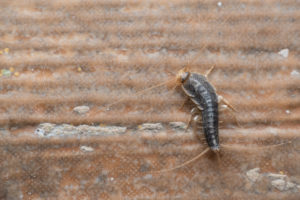
Silverfish crawling on a thin piece of wood at Rentokil in Northern Utah and Southern IdahoOccasional invaders such as earwigs, centipedes, and silverfish are not persistent pests such as ants, cockroaches, and spiders that continually invade our homes, but they are common enough with their occasional invasions that when they do show up, they are recognizable. More often than not, they are nuisance pests that cause minimal damage to their feeding and nesting habits. Today, we at Rentokil would like to discuss the fundamentals of silverfish.

What Does a Silverfish Look Like?

Silverfish have teardrop-shaped bodies with three long bristles on the rear that are a bluish-silver color or can range from white to brown-gray. They average approximately ½ inch to ¾ inches in length. More often than not, people find these little pests dwelling in stored boxes in garages and sheds because they are partial to paper and damp fabrics. As they prefer dark and damp locations they are also frequently discovered in kitchens, bathrooms, and attics but silverfish are quite adaptable to most environments.

What Do Silverfish Eat?

Silverfish will include a variety of foods in their diet including carbohydrates, starches, sugars, shampoos, glue in books, linen, silk, dead insects, and also found growing fat eating unopened packaged goods. Because of their vast variety of favorites they are notorious for destroying clothing, vintage clothing, wallpaper, books, and other possessions.

Where Do Silverfish Come from?

More often than not, silverfish are unknowingly introduced into homes carried in by cardboard boxes and plastic containers recently stored in infested areas. Not only being brought inside by occupants, but silverfish will also make their way in through cracks in the foundation, gaps around the door frames, and torn screens. Silverfish are attracted to dirty dishes left in the sink.

Are Silverfish Harmful?

Silverfish are not a major health concern. However, even though they do not transmit or spread disease, they can potentially trigger allergies to some. Silverfish can, however, attract carpet beetles and other predators. You might notice the signs before their numbers get out of hand if you have silverfish infesting your home. The damage from feeding habits can be somewhat obvious and their tiny pepper-like feces seen around the damp corners suggests their presence. You might even see them crawling around the floor or along with the sink or bathtub. These pests run exceptionally fast and being nocturnal, their presence can be fairly secretive for a time. But like most infestations, the longer they go unnoticed the more severe the infestation will be as silverfish reproduce quickly.

Silverfish Occasional Invader Pest Control

Silverfish can survive in nearly any environment but are highly likely found in places with high humidity because of their preference for moisture. In humid environments, nymphs develop quicker. To hinder their development, use baseboards with caulking in basements, open up all the vents in crawl spaces, and reduce their food sources by keeping up on housekeeping, storing food in sealable containers, and keeping trash can lids closed. Though silverfish do not cause severe harm or extensive damage, the damage they can cause could be enough to frustrate any homeowner, especially if the infestation is large enough. If you have silverfish in your home, call in the experts of Rentokil and let our technicians take care of the rest.