

How to Get Rid of Burrowing Norway Rats, Rat Droppings & Diseases in Hyde Park, UT

Utah is home to many pests, particularly rodents. House mice and Norway rats are the most likely species to intrude into homes and live so close to people. Other rodents in Utah include white-footed mice, harvest mice, deer mice, black rats, and wood rats. Any rodent in your home can be a major problem as they are known to extensively damage your home’s structure, wiring, and piping. Not only will they cause the need for costly repairs by foraging for food and water, but they will contaminate your food and potentially spread diseases and bacteria along with the possibility of inviting fleas in your home. Being that Norway rats are a fairly common rodent intruder in Utah, we at Rentokil would like to cover the basics of Norway rats today.

Where Do Norway Rats Come From?

Norway rats are all found all over the globe and believed to actually have originated from Asia. Norway rats especially have incredible gnawing and clawing capabilities that have made them notorious culprits for destroying utility lines. These rats are so powerful, they can chew through plastic and lead piping.

Norway Rat Identification

When compared to other common rats, Norway rats gave smaller ears and a tail in addition to a shorter scaly tail. Their muzzles are also blunt. With scattered black hairs throughout the coloring, these rats are usually brownish or grayish in color and their fur is coarse. Undersides and feet color are generally lighter shades of gray or white. Ranging in size, Norway rats average 12 ½ – 18 ½ inches in length where their tails make up about 5 ¾ – 8 ½ inches of their total length. Norway rats scurry around agilely on 4 feet, like most rats, and weigh around 10 to 11 ¾ ounces.

Where Do Norway Rats Live?

Norway rats are most likely to intrude in homes and businesses in the fall as the food becomes scarce and temperatures decline, though they will easily slip inside any time of year. Burrowing their nests close together, Norway rats are social pests and will actively stay together throughout their daily routine. The Norway rat’s natural habitats are farmland and fields, and they will infest the structures on these lands looking for shelter, safety, and comforts to escape predators or harsh weather. They tend to burrow under the loose soil found along riverbanks or developed areas like around clutter, woodpiles, garbage and concrete slabs. Once they get inside a home or business, they will hunker down in undisturbed locations such as un the clutter and debris in basements.

Norway Rat Damage & Diseases

Norway rats do the most damage to the structure, pipes and other utility lines as they hunt for a food and water source. They can potentially contaminate the food with their bodily waste as they pilfer any vulnerable food supplies. These rodents can infiltrate cardboard, paper, and flimsy plastics easily. Norway rats have known vectors of diseases such as jaundice, trichinosis, cowpox virus, salmonellosis, plague, and rat-bite fever. Additionally, Norway rats are common hosts to fleas, bringing a flea infestation and the diseases they carry inside your UT home or business.

Rodent Control

To combat potential Norway rat infestations, be sure to keep your home properly sealed with the right applications of sealants, caulk, weather stripping, and mesh covers. Maintain debris and avoid clutter. Store food in sealable and keep trash securely closed off. If you believe your Utah home has Norway rats, call Rentokil for assistance, we will remove them quickly and efficiently.
How to Control Insects & Pests that Come Out During the Fall and Winter in Logan, UT

The temperatures are dropping and when that happens, we in Utah and Idaho see fewer pests, but not all will become dormant and hibernate. Many pests continue to stay active all year long and during the fall, when it gets chillier and food becomes scarce, many pests will seek shelter inside. As a result, our Utah and Idaho homes will become a sanctuary to many pests. Today, we at Rentokil would like to share the most common pests likely to be spotted in your home this fall and winter.

Keep Fall & Winter Bugs & Pests Out of Your House

Ants: Cold temperatures slow ants down. They will burrow deeper into the ground where it is warmer. Often, ants will also find the warmth they seek inside your home and will quickly commence foraging. If the colony is large, killing them yourself can be particularly challenging. To effectively eliminate an ant infestation, you need the expertise of a professional. Ants will deliver painful pinches, contaminate food, and be an annoyance as they continue to multiple. Immediate action is recommended to avoid excessive moisture.
Mice & Rats: Rodents do not require much space to squeeze inside your abode. They frequently start intruding inside during the fall when food becomes scarce and temperatures dip. When these warm-blooded pests infest homes, they gnaw through electrical wiring, lead or plastic piping, the structure and spread bacteria as well as diseases. Rodent problems are not something to take likely. They will multiply and grow quickly, and two rodents will rapidly become 20. At the first inkling of any kind of rodents in your home, you should call for professional control.
Spiders: In Utah homes in winter, spiders are by far the most common problem. There aren’t many steps you can take for preventative pest control for arachnids, especially when they follow other pests inside. Some spiders can be beneficial, but some can be venomous with their bite. Webs are an obvious sign of an infestation. Where it is better to play it safe, if you find spiders in your home, call a professional to eliminate the infestation.

Fall & Winter Pest Prevention

Be sure to keep up with sanitation practices, secure food in a sealable container, including pet food, and keep the trash can with lids that are pet-proof as well as avoid clutter to enhance the preventative measures.

Year-Round Pest Control

These are just the most common pests that are likely to intrude in your Utah or Idaho home. There are a number of additional pests that can be infesting your home this fall or winter. The professionals of Rentokil can wipe out any infestations or provide services that will offer your home better protection from the pests that are looking for warmth and shelter. Our pest experts are trained and experienced and use quality products to ensure the effective elimination of any pests that infiltrate your home. With our pest control efforts, you can avoid the winter pest infestations. Contact us today!

Earwig Infestation in Your Provo, UT House this Fall? How to Get Rid of Earwigs & Occasional Pests

Did you know “to earwig” is slang for “to eavesdrop”? Earwigs will hide during the day and live outside in large numbers. They can be found living under piles of compost or lawn clippings and will make their way inside through cracks. Earwigs are fast movers and are attracted to light so it’s common to find them on porches and patios in the summer. They can also be found clustered together under items that are left outside overnight. They eat leaves, fruits, flowers, insects and mold. Earwigs will move into buildings in search of food or when there are changes in the weather such as when temperatures get cooler as we head into fall. They like to live in areas that are cool and damp. Earwigs can be found in areas where there is water; like bathrooms, kitchens and laundry rooms but will make their way into other areas on your home too. Earwigs live all over the world, but do not spread disease. They can live up to a year after they hatch. If they are squished, they can emit a foul-smelling yellow liquid from their bodies. It’s reassuring to know that infestations are rare but bugs in your home are never fun.

How to Prevent Earwigs in Your Home

Getting rid of earwig habitats is important if you want to control them. The best way to prevent earwigs is to remove piles of leaves and compost from your property and seal any cracks they may use to get inside. Take care of moisture in your home as well. If you’ve dealt with the food source they are coming in for and they are still present, then it may be the environment in your home they like. Other than sealing your home, you can try using boric acid. It is a strong insecticide that is harmless to humans and pets. Earwigs will ingest the boron and it will be impossible for them to excrete. The boron interferes with the insect’s metabolism and they die. It can be sprinkled anywhere you have earwigs and around the perimeter of your home. Mixing water and dish soap together is a cheap and easy way to deal with earwigs. Detergents break down waxy oils that cover earwig exoskeletons. These oils hydrate the earwig and when the oils breakdown, the earwig dies. Essential oils can also be effective in controlling earwigs. The best ones to use are neem oil and cedar oil.

Occasional Invader Pest Control

It must be noted that DIY home remedies aren’t as timely or effective as professional pest control. If all your efforts at keeping earwigs out of your home have failed, or you want to address the problem quickly and directly; you need the help of professionals. Give Rentokil a call for all your pest control needs.

How to Get Rid of Deer Mice, Habitats & Hantavirus Diseased Droppings in Your Orem, UT House

The most common species of mouse found in Utah is the deer mouse. They cause problems when they build nests in sheds, garages, outbuildings and in our homes. They are called deer mice because they look like very small deer. They are also known as field mice because they live in fields and forests.

Deer Mice Identification

Deer mice measure about three inches with a tail that is also about three inches long. Their fur is brownish-reddish on the top with a white belly. They have large, black beady eyes, with a pointed nose and large ears with a little fur on them. Their tail is also bi-colored, dark on the top and light on the bottom. They feed from dusk till dawn and prefer insects, seeds, nuts, berries, and small fruits. They need very little water for survival because they absorb it from the food they eat. Deer mice can breed all year round. One female deer mouse can have five or six litters every year and young mice can start to have babies in as little as six weeks after they have been born. This can make deer mice very difficult to control. If you see rodents of any kind during the day, you likely have a big problem on your hands. The help of professional pest control is the best way to take care of problems with any rodents.

How Do Deer Mice Gain Entry into My House?

Mice have all sorts of ways they use to gain entry into your home.
● They can get into openings as small as ¼”
● They can jump up to 18”
● They can climb vertical surfaces that have a rough texture
● They crawl through pipes and tunnels
● They can gnaw through almost anything, including window screens, wood, aluminum sheeting and even concrete!

Hantavirus Disease in Deer Mice Droppings

Deer mice might look cute, but they can carry dangerous diseases. Deer mice can carry Hantavirus. This virus is spread through exposure to rodents and is carried predominantly by deer mice in North America. You can become infected with this virus when contaminated dust is inhaled after it has been disturbed. There is no evidence that Hantavirus can be spread from human to human, but the infection can lead to respiratory failure or Hantavirus Pulmonary Syndrome (HPS). This is a deadly lung disease that has a mortality rate of 38 percent. While it is rare, it can be deadly.

Deer Mice Prevention

The best way to keep mice out of your home is to prevent them from getting in in the first place. Seal any openings they might use and use heavy material like concrete mortar, sheet metal or heavy gauge hardware cloth to do it. Protect food and make sure pet food doesn’t sit out overnight. If you have to work in areas that deer mice have been, wear heavy gloves and OSHA-approved respirators to prevent exposure. The area will also need to be disinfected after it has been cleaned up.

Rodent Control

If one or two mice manage to get into your home, it may not be long before you have many of them in your home. Contact Rentokil as soon as you suspect you’re dealing with rodents.

Why are there So Many Spiders & Spider Webs Outside My Lehi, UT House this Fall?

By and large, spiders are one of the most feared pests out there. Something about the swift way in which they move, and their eight creepy little legs. They also like dark, dank places which doesn’t make anyone feel good. Any way you cut the cake, people are scared of spiders. We are approaching the fall which everyone may or may not see an increased amount of spider activity. Rentokil is here to talk about the increased spider activity you may start to see in your area as the weather gets cooler.

Spider Webs Everywhere Outside During the Fall

Have you noticed that there is an increased number of spiders in the fall months? You aren’t imagining things, they really are more active in the fall. The reason for this being that they are nearing the end of their lifespan. They are in search of a mate to lay eggs and find a place to hunker down for the winter. Gardeners start to notice they are around much more. However, these gardeners are often unphased by a spider’s presence because the gardener understands that spiders are actually beneficial in controlling other pests.

Common Spiders Found in the Fall

There are several commonly found spiders found in Utah during the fall months. Following are a few that you can count on seeing:
House Spider: If you notice a brown to black spider crawling around your bathtub when you go to fill it up. These are harmless and more a nuisance than anything else.
Garden Orb Spider: These spiders usually build their nests in the trees or bushes of your backyard. Garden spiders are usually quite large in the autumn because they are pregnant and getting ready to lay their eggs.
Jumping Spiders: These spiders spin their web for the sole purpose of hunting. They catch their prey in their webs.
Wolf Spider: This spider is crazy and furry looking. It is only natural to fear this spider even though they aren’t aggressive.

Why Spiders Are Good for Humans & the Environment

You may be asking how these pests can benefit us at all. They are so creepy and hide in the corners lurking in the night. However, these spiders actually work as natural pest control experts. They feed on anything that comes in contact with their web. This includes flies, bugs and other pests that make our lives miserable. Now, this doesn’t mean you should let spiders take over your home, but if you happen to see them in your garden or outside, just think about all the flies and other pests that they are eating for you.

Spider Control

If it seems like spiders are taking over your home this fall, you can call on the pest experts at Rentokil to take care of the problem for you. You don’t want to battle the many webs that spiders build throughout your home. We will work to keep your home spider-free. Call us today!

How to Prevent Rodent Infestations in Your Woods Cross, UT Home this Fall Season

Fall is only a few weeks away, which means it is the time of year that we begin preparing our homes in hopes to prevent pests such as rodents from invading. Rodents often look for a warm place with both food and water sources to call home during the cold winter season. Utah is home to many species of mice and rats that will invade homes and may enter yours this coming fall. Rentokil will share how you can eliminate this threat from your home.

Pest Exclusion & Home Sealing

Exclusion should always be the first step you take to keep rodents out of your home. Both mice and rats are great climbers and will look for the smallest holes to access your home. Begin a top to bottom inspection of your home’s exterior. Start by covering all exterior vents with a wire mesh material. The metal wiring can keep rodents out and still provide airflow to areas such as chimneys, attic vents, and dryer vents. Another place you will want to inspect is around your windows and doors. Do you see daylight from outside your homecoming through your doors? If so, the weather stripping needs to be replaced. Mice can fit through a gap the size of a pencil so make sure you replace weather stripping around doors. Windows frames often develop gaps. Use a strong sealer and avoid silicone caulking glue. Instead, use a concrete sealer. Mice or rats will simply chew through glues. Stainless steel wool can also be used to prevent entry and to plug holes as rodents can’t chew through it. After sealing up your home you will want to take the next step toward prevention.

Rodent Infestation Prevention

Exterior – Prevention involves removing potential water or food sources along with nesting sites. Start outside. If you have a firewood pile next to your home, remove the firewood and stack your wood as far from the house as possible. Make sure to stack the wood a foot off of the ground. Rodents and other pests love living in firewood piles and you are creating a place for them to live. You don’t want pests next to your house. If you leave food or water for wild birds or pets, stop. By leaving food or water outside you are feeding the other wildlife including rodents. It also helps to reduce rodents by keeping the yard maintained and the home exterior free of clutter.
Interior – Inside the home you will want to seal food and repair leaky plumbing. All stored food in pantries should be sealed in airtight containers, preferably metal or glass. Again, rodents will eventually chew through plastic. Never leave out a snack or fruit bowl. All leaky or dripping faucets and other plumbing should be repaired. You want to deny the rodents of food and water completely.

Rodent Control

After you have worked on exclusion and prevention, the last step is rodent control. It is best to hire a professional to trap and eradicate rodents as they harbor bacteria and diseases. Professional pest control companies know the best treatment methods to successfully eliminate rodent infestations. For more help controlling pests, including rodents, then seek the aid of a professional pest control service. Rentokil can help you with all of your pest control needs. Contact Rentokil today!

What Attracts Boxelder Bugs Inside Your Salt Lake City, UT House & How to Get Rid of Them

What Do Boxelder Bugs Look Like?

Boxelder bugs get their name because they are often found around boxelder trees. These pests are a nuisance to homeowners because they will frequently intrude into structures, especially homes, sheds, and garages to overwinter. These insects are black with reddish or orange markings on the dorsum. It crawls around on 6 legs that extend from an elongated-oval shaped and somewhat flattened body and its head is narrower than the pronotum. The boxelder bug averages about ½ inch long. These bugs have wings, but as nymphs, they are bright red and do not have wings.

Are Boxelder Bugs Harmful to Humans?

These insects are typically more of a problem when they intrude into structures in the fall and then emerge in the spring. They are not known to bite; however, their piercing-sucking mouthparts can pierce the skin if they are in close contact, which can puncture and leave the skin slightly irritated. Some people may experience a red spot like a mosquito bite. The fecal matter of a boxelder bug can cause red stains on porous materials, such as drapes, curtains, clothing, rugs, carpets, upholstery, and other fibers. If they roughly handled or crushed, they can produce a foul-smelling odor.

What Do Boxelder Bugs Eat?

Boxelders adults overwinter and emerge from hibernation in late March/early April when the boxelder tree buds open. These bugs return to host trees for the warmer months of summer. They will first eat the fallen boxelder seeds where they will then move onto the female boxelder or maple trees and devour the newly developing leaves. Some of these insects will consume the fruit on apple and plum trees if given the opportunity.

Boxelder Bug Life Span

Congregating on the south side of rocks, trees, and buildings during autumn where the sun hits and they can stay warm, boxelder bugs become gregarious. They migrate to nearby buildings or homes to overwinter once they have gathered in mass. To hide from the cold temperatures, they insulate themselves in the walls from the small cracks and crevices. As mentioned, by spring, they emerge to their host tree.

Boxelder Bug Control

Keeping your home well sealed will help prevent boxelder bug infestations. Caulk any cracks and crevices in the foundation, install weather stripping, and keep the ventilation and utility lines covered with mesh covers. Should you find these pests infesting your boxelder trees or if they have moved in during the fall, call Rentokil for treatment.

How Do Weeds Affect Grass & Plants in Preston, ID? Compete for Nutrients, Sunlight & More

Grass, among other plants in anyone’s landscaping, is an ornamental design to help the exterior of your home look good and enhance the curb appeal. Where grass has its benefits, the overall purpose of grass is to help your home look good. Weeds in the grass are often distracting and mar the appearance of grass, much like a stain on your carpet. Thankfully, getting weeds out is a lot easier most of the time. Where some weeds can slowly creep in and almost blend into the grass making them more discreet as they do their damage, other weeds are distinctly destructive. Invasive weeds are for the most part, noticeable. They have different coloring, texture, and growth habits. The bad thing is that weeds slowly overtake your lawn or other vegetation and can potentially do it in a single season, leaving unattractive and sparse blemishes in your grass. Additionally, some weeds can also be harmful to pets and livestock. Today, we at Rentokil would like to take the opportunity to elaborate on weeds in your lawn.

What are the Characteristics of Weeds?

Weeds are defined generally as a plant that has no redeeming value in regard to nutrition, medicinal, or food. Often leaving seeds to perpetuate their kind, weeds have accelerated growth patterns. Weeds frequently have thorns or other physical features making them difficult to remove and are often poisonous if eaten and taste horrible.

Weeds Compete with Grass & Plants for Nutrients

Competing with not only your grass, but they will also compete with flower, fruit, vegetable, and ornamental plants for the sunlight and nutrients, which leaves your vegetation starving. This will leave them prone to insect and disease infestation because they have become weakened by the loss of nitrogen, phosphorus, and potassium. Most weeds have a growth rate that is outstanding, allowing them to absorb more of one nutrient than another, which leaves the weed imbalanced. Because of the theft, other plants are overwhelmed which creates abnormal coloring, flowering, or fruit growth.

Weeds Choke out Grass & Overrun Lawns

Because they are so successful in competing for space if not kept in check, invasive weeds can be devastating as the evidence is well documented. Invasive weeds that take over areas outside of its natural habitat are especially more devastating. These weeds are successful in killing neighboring plants, beneficial insects, and promoting diseases.

Examples of Parasitic Weeds

Not all plants are classified as a weed in the true sense but can spread havoc among neighboring plants by attaching themselves and stealing its nutrients. The root variety being more common, these parasitic plants can be stem or root parasites. Mistletoe, for example, is a parasitic plant that attaches itself to a host plant in order to get the water and nutrients it needs. Mistletoe, like other parasitic weeds, will eventually weaken its host plant as it starves the plant, which will leave it susceptible to disease or pest infestations.

Lawn Weed Control

To keep your grass and landscaping safe from weeds, call Rentokil for our weed control services. We can ensure your grass is healthy and weed-free by taking the steps necessary for weed control.

How to Get Rid of & Keep Flies Away Inside & Outside Your Park City, UT House this Fall

The thick of summer and early fall are always thick with flies, and they feel extra sticky. You know, that feeling when their sticky little legs land on you? This is the time of year that they are breeding like crazy and as long as they are outside, they aren’t quite as bothersome. It’s when they start to make it inside your home that it gets irritating. Rentokil are here to talk about some tips to keep flies away this fall since they are especially thick right before the first freeze.

Eliminate Fly Infestation Breeding Grounds

The lifespan of a fly is actually pretty short; 10-25 days to be exact. However, they lay hundreds of eggs and that creates a problem as they start to hatch. Usually, they lay eggs on food products. As the eggs hatch the larvae feed on the leftover food until they reach adulthood and the cycle continues. Leaving leftover food around your home makes it easy for flies to make their way into your home. Make sure your trash is stored far from the house and you clean up food as soon as you are done eating to avoid this breeding ground problem.

Get Rid of Excessive Moisture that Attracts Flies

Just like several other pests, flies need to have a constant source of water to survive. They will search for water; so where there is standing water, there will likely be flies. The more moisture you have around, the more flies you will have around as well.

Keep the Kitchen Clean to Help Prevent Flies

Everyone knows how attracted flies are to your food. Whenever your kitchen is a mess, the problem is even worse. Keep your kitchen free of even the smallest crumbs as they will also attract flies. You should also take out the trash regularly since flies are extremely attracted to rotting food.

Clean Up Outdoor Areas to Stop Flies Around Bins etc

If you have any outdoor areas like a kitchen or fire pit and other seating areas, they should be kept clean as well. Even forgetting to wash off the table after eating an outdoor meal will attract a large number of flies. Sometimes without knowing it, there are remnants of food on outdoor tables that are keeping the fly population interested in your space. Remember, if they are attracted to it inside your house, they will also be attracted when it is outside.

Fly Control

Hopefully, by following these few sanitation tips, you can avoid the onslaught of flies this fall. They will still likely be somewhat of an issue this fall which makes our team of professional pest control specialists so important in keeping them away. Rentokil have the experience and resources needed to help keep your house clear of house flies this fall when they are trying to get inside to survive. If you notice that you are surrounded by this irritating pest, let us help you get rid of the problem with our pest control services. Call us today!

Avoid Diseases Spread By Mice & Rats in Ogden, UT; Rodent Control & Prevention Methods

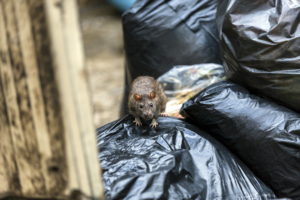
Rat crawling around garbage at Rentokil in Northern UT and Southern ID.Many people will wonder how common rat and mice infestations are in Utah. The answer is they are quite common. There are a number of rodents that live with humans and inside human structures and domains. They will invade anywhere that provides them food, water, and shelter. Rentokil will share what species may be living at your side and how you can prevent an infestation.

Common Rodents Found in Utah

Utah is home to many invasive rodent species, both mice and rats alike. Some of the species that live closest to humans are the white-footed mice, deer mice, harvest mice, the black rat (or sometimes called the roof rat), and the wood rat. However, the two main species found inside homes are the Norway rat and House mouse.

Diseases Spread By Mice & Rats to Humans

Both mice and rats could potentially be carrying harmful diseases and parasites that can affect humans. One particular disease is the Hantavirus known to be carried by the deer mouse. However, cases in Utah are very rare. Besides the disease that threatens humans, we also face the destruction they cause. Rodents can be chewing through plumbing, electrical wiring, and cause structural damages to your home. They quickly contaminate food and other household goods. Due to the many threats rodents pose, it is important to protect your home and prevent major infestations.

How to Prevent Rodent Infestations

If you have identified a rodent problem, you will want to take steps.
• First, identify how mice or rats are getting into your home. Begin a thorough inspection. Start on the outside of your home. Look for gaps or openings or even structural damages. Mice can fit through an opening ¼ of an inch in size. When repairing holes, use a concrete mix or metal to repair or patch up holes and gaps.
• Next, clean up the yard. Remove overgrown or thick vegetation that provides rodents cover and shelter. They will hide or use them to travel. Prune brush so the bottom is open and prune back branches of trees that may be touching the roof. Remove all yard debris and clutter.
• Pet owners should do daily feedings and avoid leaving food out for pets. Water should be kept inside and out of the reach of rodents. Also, make sure to remove pet waste daily. Rodents will feed on feces. Also, pet food should be sealed in pest-proof containers.
• Repair all of your home plumbing inside and outside, thereby removing any potential water sources. Seal away food in airtight steel or glass containers. Rodents can and will chew through plastic.
• For a major rodent infestation use traps. Place the trap by major traffic sites. If you need further help it is recommended you seek the aid of a licensed pest control company. They can help place traps, provide bait and poison in certain situations and remove used traps.

Rodent Control

Controlling rodents can be difficult. They can climb, jump and squeeze through the smallest of cracks. If you need the assistance of a professional pest control company, then contact Rentokil. We provide rodent control services and can help you get your home under control and rodent-free.